Posted on Leave a comment

Using VFI Online UPS for Door Access Applications

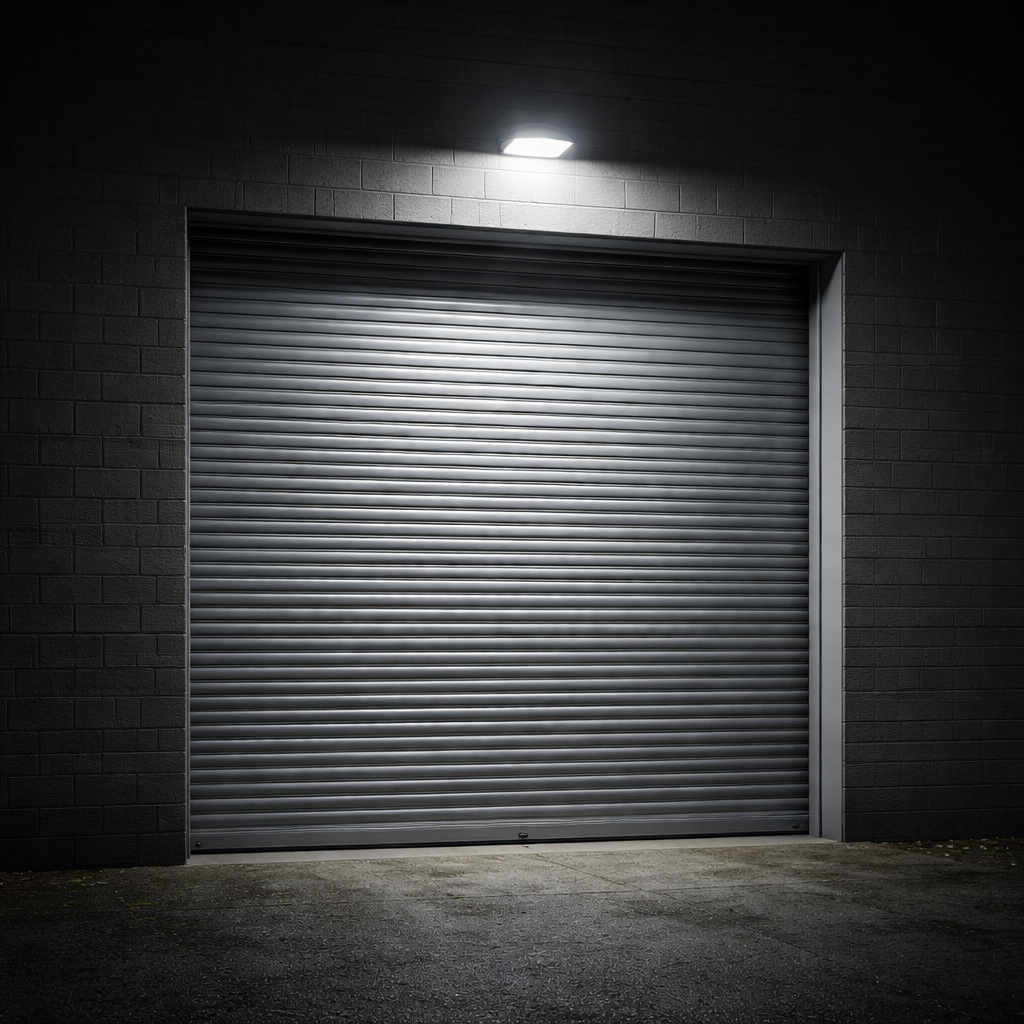
The Power Inspired Gateway is a product designed specifically for door access applications, where rather than needing Uninterrupted Power, you need on demand AC power for door motors. However, due to start up currents larger motors may exceed the 1200W rating of the Gateway. At this point a higher powered system is required, which is where the Power Inspired VFI Online UPS for door applications can be used. In addition, the square wave nature of the GW-SX units may not be compatible and a sine wave unit would be preferable.

Although the VFI range offers very high degrees of power protection considered overkill for door access applications, they have programmable features that make it very suitable. For example:

  • Bypass. You can set the system to have bypass enabled. This means that if the UPS is in standby or has developed a fault, as long as mains power is available there will be power at the output of the UPS.
  • ECO mode. You can enable ECO mode. This means that when the mains is within tolerance the UPS will have it’s inverter inactive thereby improving efficiency and hence reducing operating costs.
  • Autonomy Limitation. You can set how long the UPS will remain on battery power for, rather than remaining on battery until it goes flat, preventing deep discharge and also allowing for the unit to be started when needed using a remote switch.

Remote Switch

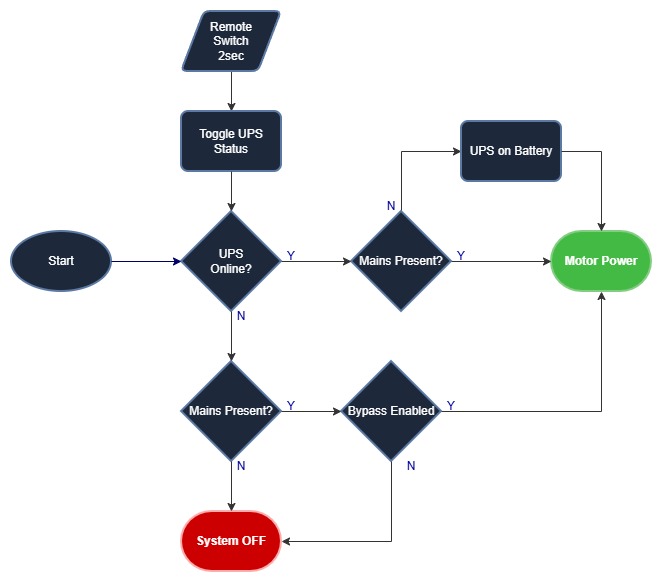
The VFI Online UPS for door applications can be fitted with the Remote On/Off Relay interface card. By closing the on/off switch for 2 seconds this will toggle the UPS on and off. Since the UPS can be switched off it is important to ensure that the Bypass is enabled so power is always available.

If no mains is present and the UPS is online it will revert to battery operation until the autonomy limitation time is met, or the remote switch is used again to power the UPS down. If it is offline it will remain so until the remote switch is activated. It will then cold start on battery for as long as the autonomy limitation setting.

Note that the relay card also provides additional features. You can connect to external alarm panels, building management systems or SCADA applications. The UPS status can be communicated via the normally open, or normally closed (specified by onboard jumpers) for the following:

  • UPS Fault
  • UPS in Bypass
  • UPS Battery Low
  • UPS is online
  • UPS is on battery

Note the standard relay card (AS400 card) can also be used but this requires an external 12V supply, or current limited 24V supply for on/off control.

Summary

You must enable the bypass in the UPS settings. If the UPS has bypass enabled and mains is present, it will sound the alarm to warn you every 10 seconds, but you get around this by turning it on.

You should limit the autonomy to a reasonable length of time. Enough to fully open and close the door – and then add some overhead.

You may enable ECO mode. Close power control will generally not be required.

You must have the relay card with remote on/off fitted to the UPS, or the standard relay card with an external voltage source.
Posted on Leave a comment

Telecare Battery Backup Solutions

Telecare describes a range of products that are designed to monitor vulnerable or otherwise at risk persons to help them live more independently and safely. Where some products are designed to emit local alarms, others are connected to a monitoring service. This connection is often done over the users landline. With the digitisation of the PTSN network by 2027, ISPs and Telecare providers now have the responsibility to ensure that such users still have access to their services when their existing landline goes digital and so require Telecare Battery Backup Solutions.

What’s the problem?

In a PTSN network the telephone line is a copper wire connected directly to the telephone exchange (via a few street cabs). The telephone exchange contains chargers and large battery strings to ensure that even in the event of a utility power failure, that all devices connected to the PTSN network can operate. E.g., if you have a power cut you can still make telephone calls, activate your help cord or personal alarm and get help when you need it.

OFCOM have already provided guidance to VOIP providers that they should provide a 1hr service availability, and the UK government has recently written to a number of providers asking them to consider 8 hour solutions. Consensus appears to be a 4hr solution may be required in future.

Telecare Battery Backup Solutions

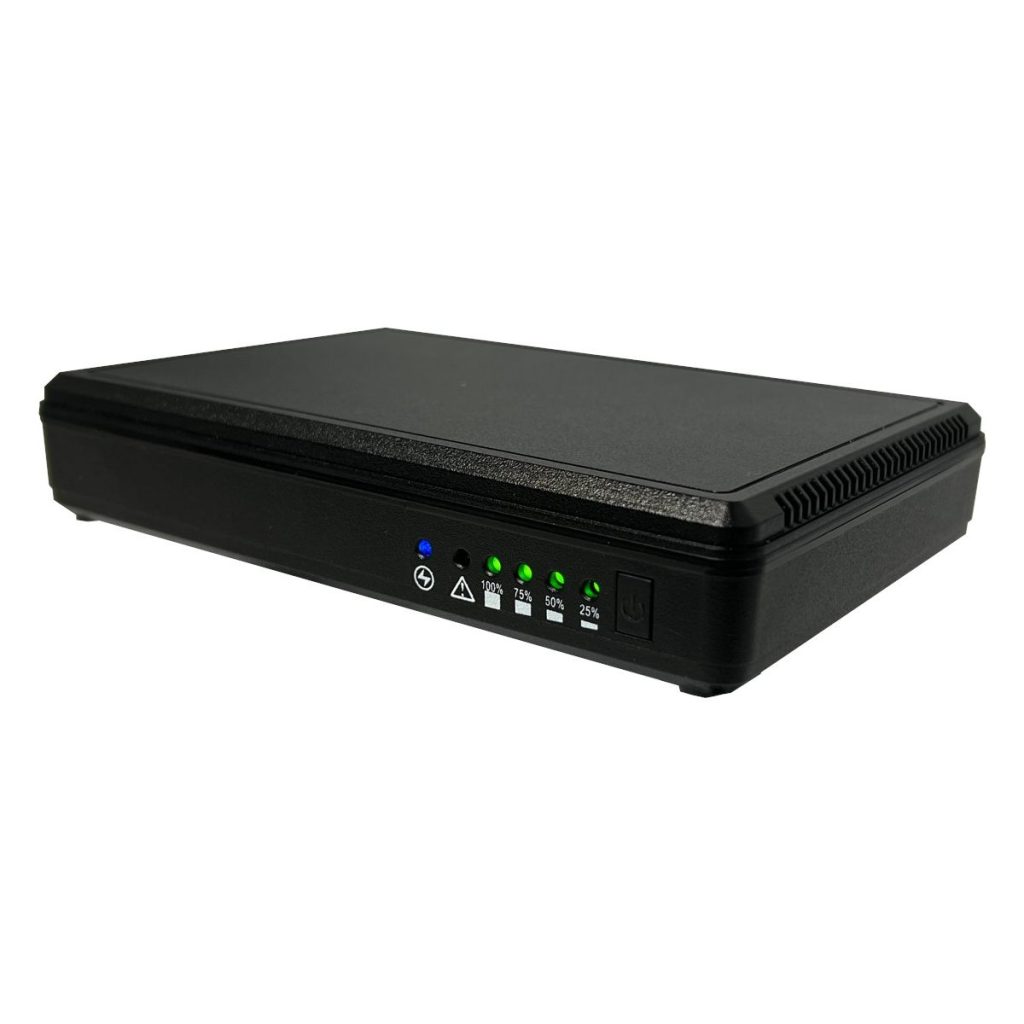
The Power Inspired iPowers are DC-DC systems that simply plug in to the DC port on the equipment to be protected. Backup times of one hour can be met with most products whereas the iPower-DC2 is suitable for 4 and 8 hour solutions for systems depending on average power consumption. To extend available backup time for Telecare equipment we suggest powering each separate device from a different iPower.

Power Inspired PF - Telecare battery backup

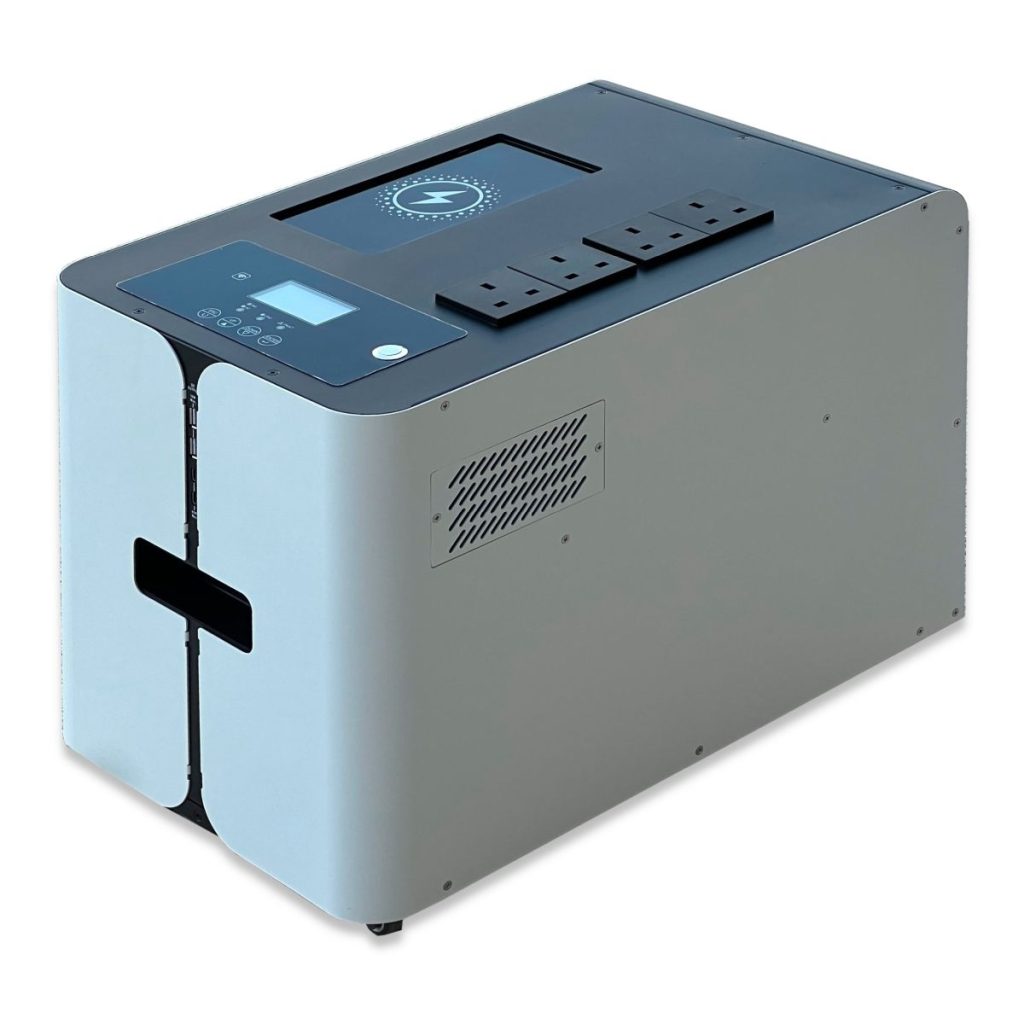
Another option is to use AC battery backup and protect all Telecare equipment including other essential equipment for in the home. The PF unit can provide pure sinewave output whilst on battery. The large Lithium battery will ensure that even runtimes of 8 hours are easily achievable for constant loads under 100W or so. In addition, the unit can be connected to solar panels prolonging the available runtime or even achieving total grid independence.

Posted on Leave a comment

Pharmacy Fridge UPS Applications

Pharmacy Fridge

Why use a UPS on a Pharmacy Fridge?

Unlike applications where sudden power loss causes data loss or other operational issues, power loss to a pharmacy fridge is not such of an issue since the internal temperature is well controlled. In the event of a power cut a solution is simply not to open the fridge. A typical fridge will maintain the internal temperature for around 4 hours in the event of a power cut – provided the door is unopened. However note if the fridge cannot be opened then no medicine in the fridge can be retrieved.

Many laboratory or pharmacy fridges have alarm contacts which can alert to the fact that power has failed and as a result warn users not to open the door. However, a power fail alarm will have to be operated on a secondary power system, such as a battery, due to the obvious fact that a mains powered system would also be rendered inactive during a power outage. Having a battery system, will also require the battery to be maintained in a state of charge. These added complications mean that such alarms are rarely, if ever, implemented.

A pharmacy fridge will be used to house items, typically vaccines, diluents, immunoglobulins and other medicines with temperature requirements. The costs of these medicines can be quite substantial and if the temperature inside the fridge should rise to over +8°C, then, according to the NHS Green Book, the “cold chain” has been broken and these medicines may need to be destroyed. If not destroyed, then a time-consuming process needs to be instigated to determine the effect on the medicine which most likely will include a reduction in the expiry date.

Clearly, protection against sustained power outages has operational and financial benefits.

Fridge Power Consumption

Instead of giving power ratings of the Pharmacy Fridge, the manufacturers specify the energy consumption in KW for a 24 hour period. The method I found for doing this is here: ENERGY STAR® Program Requirements Product Specification for Laboratory Grade Refrigerators and Freezers, and Ultra-Low Temperature Freezers. This value varies from product to product and depends upon a number of factors, including capacity, the type of doors (glass or solid etc.) and the configuration (bench top, under counter etc.). Typically these figures are around 1KW/24 hour for a typical small system in a typical pharmacy. See Note 1.

The test schedule includes opening the fridge door for a period of 15 seconds (plus an additional 4 seconds for opening and closing), 3 times an hour each hour for 8 consecutive hours. This is useful as it allows us to specify a UPS runtime that will allow a degree of use of the fridge during an extended outage.

A typical fridge compressor has a power draw of around 200W, and will require a sine-wave inverter to ensure correct operation.

UPS Selection

In the table below I’ve created a lookup for the number of hours of runtime you could expect (and remember this includes periodically opening the door) given the energy rating of the pharmacy fridge.

The PF-S-Li products are units ideal for Pharma Fridge applications. The units contain an internal high capacity Lithium Ion battery offering long runtimes, long life and low weight. The PF1200S-Li has a continuous power rating of 1200W, but with a surge rating of 2400W. This allows it to easily deal with the inrush current generated by the compressors of the fridges.

Achievable Runtime in hours:

Energy Rating
(KWhr/24hr)
Equivalent
Watts
PF1200Li
Expected Runtime
0.521>24 hrs
0.753221 hrs
14216 hrs
1.56310 hrs
2848hrs
2.51056hrs
31255hrs
3.51464hrs
41674hrs
4.51883hrs
52093hrs

Contact us to enquire about UPS for Pharma Fridge Applications.


The PF1200S-Li has superb surge rating of twice its capacity for 5 seconds allowing it to cope with the inrush demands of high performance refrigeration units. It also has the benefit of fast recharge and can be connected to a solar panel array. Connectivity is via 4xUK socket outlets and it even boasts a wireless charging pad, USB A and USB C outlets. In addition to powering the fridge it can also provide battery backed power for ancillary devices.


Note 1: I’ve used what manufacturers are displaying on their spec sheets in order to avoid confusion, however the correct term should in fact be kilowatt hours per 24 hour period eg. kWh/24